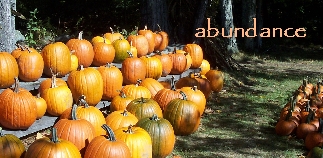
We are buried beneath the weight of information, which is being confused with knowledge; quantity is being confused with abundance and wealth with happiness. ~Tom Waits
Our addiction to information is starting to frighten me, not in the least because so many people don't understand the difference between knowing information and having wisdom, between knowing a fact (or even a supposed fact) and understanding life and living and other human beings with whom they share the planet. There's a huge difference between knowing that 2 + 4 = 6 and knowing how to talk to other humans, but many people these days feel that the fact that they can access information online makes them capable and competent people. The truth of the matter is, though, that many people these days don't have the slightest idea of how to comfort someone who's sad; don't understand that they have the potential to affect other people in negative ways; aren't able to pass on knowledge to others because they actually have little to no knowledge of their own.
How many people can tell you their favorite player's batting average or quarterback rating, but have no idea what kinds of things their own kids are afraid of, or what they aspire to be one day?
What does this mean to us as people? It means that we're stuck in societies that are growing progressively less human and humane. It means that when we need help from others, we're going to have a very hard time finding someone who actually has the knowledge necessary to deal with any problems we may have. It means that children these days are going to have a harder time finding mentors and teachers who can pass on knowledge and wisdom, so they're going to grow up much less prepared to face life than they would be if they were mentored by people who have knowledge to pass on.
Waits' other points are just as important for us to consider: do we truly believe that having more of something gives us abundance? We might have five cars, but is that abundance or excess? When we consider the fact that each of us can use only one car at a time, it seems pretty obvious that having more than one is simply excess (except for those few people who legitimately need something like a heavy-duty truck for work that they do, and another car that gets better mileage when they're not working). And does having tons of money mean that someone is automatically happy? Research and experience tell us no--many people who have a lot of money are inordinately worried about losing that money, or have developed such high expectations because of their ability to pay for things that literally no one is able to meet their expectations, which leads to a great deal of disappointment, anger, and frustration. Among other things.
Personally, I hope that I can find knowledge, abundance, and happiness in my life. I'm not concerned about information, possessions, or wealth. I hope that I can accept the things I have and not waste time wishing and hoping for "more" of something that isn't liable to affect my happiness at all. I can be happy with what I have, and that is true abundance. I can try to attain more possessions and wealth within reason, of course, but whether I attain them or not shouldn't change my present happiness. My present happiness is a cherished possession, and it's very important that I make myself aware of how to maintain it authentically, without getting caught up in what society tells me is important.